
A lot of people walk away from a car accident thinking they got lucky. No broken bones, no visible injuries, and the pain feels manageable. Then, a day or two later, their neck is stiff, their range of motion is limited, and turning their head to change lanes has become genuinely difficult. That pattern is common. And it’s one of the more important reasons to take post-accident neck pain seriously, even when the collision seemed minor.
Why Neck Pain Is Often Delayed After an Accident
The body responds to trauma by releasing adrenaline. That response is protective, but it can also mask pain for hours or even days after a collision. By the time the adrenaline wears off, the inflammation has had time to set in, and that’s when the real discomfort begins.
Whiplash is the most well-known cause of post-accident neck pain, but it’s far from the only one. The cervical spine, which is the section of the spine running through your neck, is particularly vulnerable in rear-end and side-impact crashes because of the sudden, forceful movement involved. Injuries in this area can include:
- Muscle strains and ligament sprains
- Herniated or bulging cervical discs
- Facet joint injuries
- Nerve compression or irritation
- Cervical misalignment
Each of these conditions responds differently to treatment, which is exactly why getting an accurate diagnosis matters so much early on.
What Happens If You Wait
Skipping treatment after a car accident injury is one of the more common mistakes people make, often because the pain seems tolerable at first. The problem is that untreated soft tissue injuries and spinal misalignments don’t tend to resolve on their own. Without proper care, scar tissue can form, muscles compensate in ways that create imbalances, and what started as acute pain can settle into something chronic.
Persistent neck pain, recurring headaches, numbness or tingling in the arms, and difficulty sleeping are all signs that the initial injury was more significant than it appeared. Waiting weeks before seeking care can also complicate any insurance or personal injury claim, since gaps in treatment history raise questions about the severity of the injury.
According to the National Institute of Neurological Disorders and Stroke, whiplash-associated disorders can result in long-term pain and disability when not properly managed. Early intervention consistently produces better outcomes.
What a Chiropractic Evaluation Can Find
A thorough clinical evaluation after a car accident does more than identify where it hurts. It helps determine the structural cause of the pain, whether nerve involvement is present, and what type of treatment will support genuine recovery rather than just temporary relief.
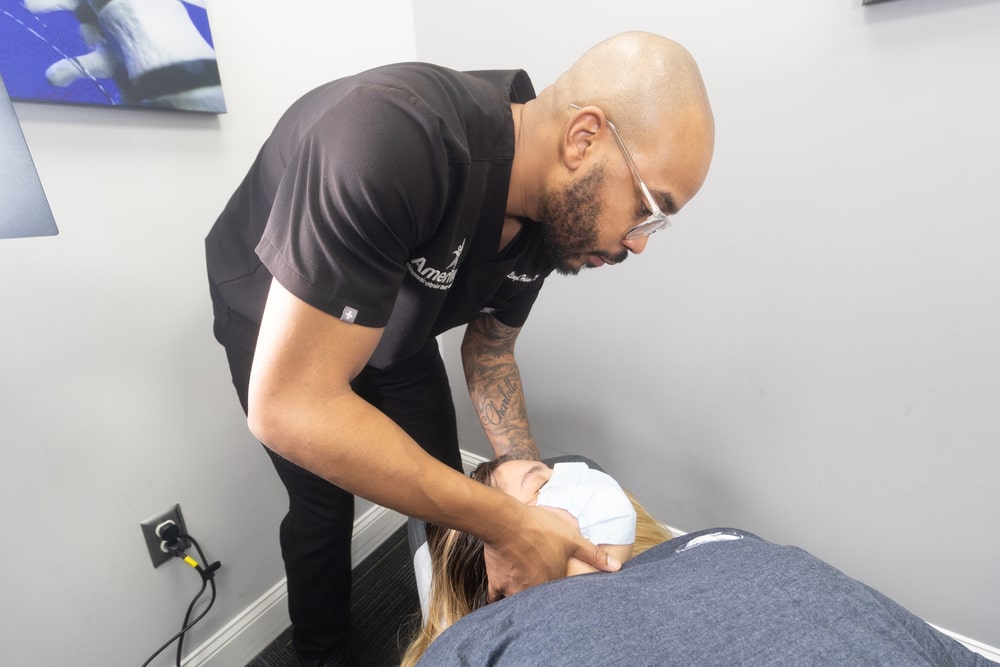
A Bowie car accident chiropractor can assess spinal alignment, range of motion, and muscle function to build a treatment plan that addresses the root cause of cervical pain. That might include spinal adjustments, soft tissue therapy, rehabilitative exercises, or a combination of approaches, depending on what the evaluation reveals.
How Treatment Supports Both Recovery and Documentation
For patients who are working with an attorney or filing an insurance claim, consistent and well-documented treatment matters. Every evaluation, every adjustment, and every therapy session creates a clinical record that reflects the nature and progression of your injuries. That documentation supports your claim and provides a clear picture of how the accident affected your health and daily function.
AmeriWell Clinics works regularly with patients who are managing the intersection of physical recovery and personal injury cases, and the clinical team understands how to coordinate care with attorneys and insurers when needed.
Getting Evaluated Sooner Rather Than Later
The window right after a car accident is actually the most important time to act. Pain that feels mild today can evolve into something more significant if the underlying injury isn’t addressed. A Bowie car accident chiropractor can evaluate your cervical spine, identify what’s actually going on, and start building a recovery plan that fits your specific situation.
If you’re experiencing neck pain or stiffness after a collision, don’t wait for it to get worse before you seek care. Contact AmeriWell Clinics to schedule an evaluation and take the first step toward a real recovery.
The images and videos in this post are property of AmeriWell Clinics. The article text is shared for educational purposes and may include external sources not authored by AmeriWell Clinics.