
A vehicle collision can leave behind more than dented metal. Back pain is one of the most common complaints after a crash, and it does not always appear right away. Understanding how to respond in the hours and days that follow can protect both your health and your recovery.
Why Back Pain Follows a Collision
The spine absorbs a great deal of force during impact. Even a low-speed crash can push the body in directions it was never meant to move. Muscles tighten. Joints compress. Discs shift. The result is often pain that ranges from a dull ache to a sharp, limiting discomfort.
Sometimes the pain is immediate. Often it is delayed. Adrenaline can mask injury at the scene, which is why someone may feel fine that afternoon and wake up barely able to bend over the next morning.
Common back injuries after a crash include:
- Muscle and ligament strains in the lower back
- Whiplash that radiates down through the upper spine
- Herniated or bulging discs
- Compression of the spinal joints
- Nerve irritation that causes tingling or numbness in the legs
Recent incidents along busy corridors such as Kenilworth Avenue NE are a reminder of how quickly a routine drive can turn into a trip to the emergency room.
Symptoms Worth Taking Seriously
Not every ache signals a serious problem. But certain symptoms should prompt a prompt evaluation rather than a wait-and-see approach.
Pay attention if you notice stiffness that worsens over several days, pain that travels into the buttocks or legs, or weakness that affects how you walk or stand. Numbness, tingling, and difficulty controlling movement all point to possible nerve involvement.
When the Pain Seems Minor
A mild strain may improve with rest, gentle movement, and time. Still, an examination early on creates a baseline. If symptoms change later, your provider already has a record of where things started.
Getting the Right Care
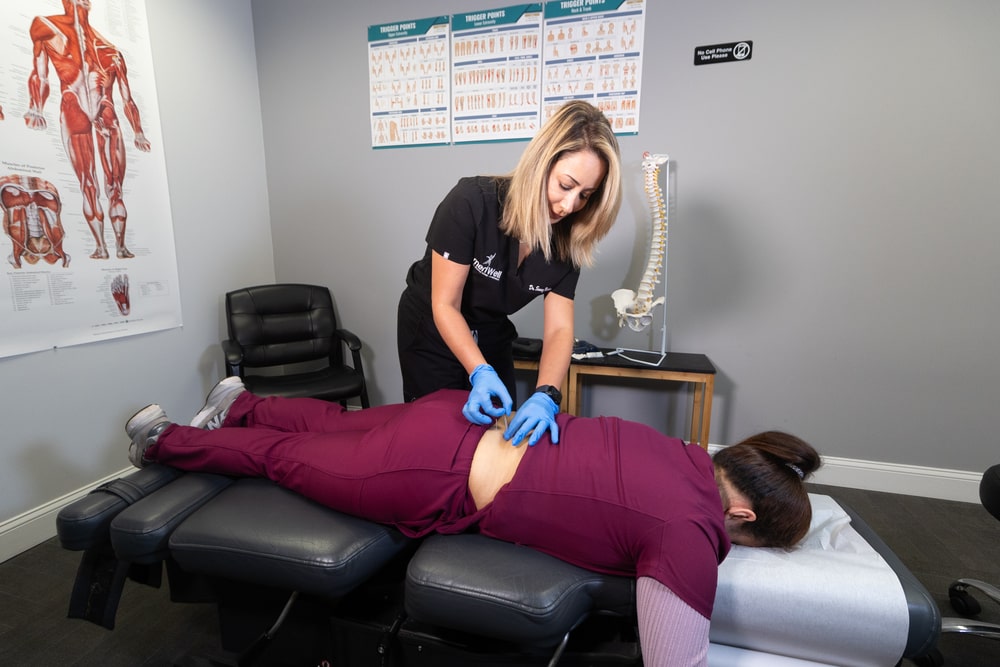
After a collision, a thorough assessment matters. A trained provider can examine your range of motion, order imaging when appropriate, and build a plan suited to your specific injury. This is where a Capitol Heights back pain doctor becomes part of your recovery.
If you were hurt in a crash, scheduling time with a Capitol Heights, MD back pain doctor can help confirm what is happening in your spine and how to address it.
The need for care is widespread. According to the National Safety Council, there were 4.9 million medically consulted injuries in motor-vehicle incidents in 2024.
What Treatment Often Involves
Care for back pain after an accident is rarely one-size-fits-all. A plan may combine several approaches depending on the injury and how the body responds over time.
Treatment may include:
- Chiropractic adjustments to restore alignment
- Physical therapy to rebuild strength and mobility
- Targeted exercises for daily progress at home
- Medical evaluation when pain persists or worsens
The goal is steady improvement without pushing the body past what it can handle. Recovery takes patience, and a coordinated plan tends to produce better long-term results than rest alone.
At AmeriWell Clinics, our medical, chiropractic, and physical therapy teams work together to treat the source of the pain rather than only the symptoms.
Take the Next Step in Your Recovery
Back pain after a crash deserves a clear answer, not guesswork. If you are dealing with discomfort following a recent accident, reach out to schedule an evaluation and start a recovery plan built around your needs. Early attention often makes the difference between a short setback and a long-term problem.
The images and videos in this post are property of AmeriWell Clinics. The article text is shared for educational purposes and may include external sources not authored by AmeriWell Clinics.