
A lot of people walk away from a car accident feeling shaken but physically okay. No broken bones, no bleeding, no obvious reason to rush to a doctor. So they go home, take some ibuprofen, and hope the stiffness works itself out in a few days. It usually does not.
The reality is that many of the most common car accident injuries do not announce themselves right away. The adrenaline and shock that flood your system in the immediate aftermath of a collision can mask pain effectively. By the time those effects wear off, the underlying damage has already begun to settle in.
Why Symptoms Are Often Delayed
Car accidents place sudden, forceful stress on the spine, muscles, and soft tissue. Whiplash, for example, is one of the most underreported injuries after a crash because it may not cause significant discomfort until 24 to 72 hours later. The same is true for herniated discs, ligament sprains, and even concussions. Common delayed-onset symptoms include:
- Neck stiffness or pain that worsens over several days
- Headaches that begin after the initial shock has passed
- Numbness or tingling in the arms or hands
- Lower back pain that intensifies with movement
- Difficulty concentrating or sleep disruption
These are not minor inconveniences. Left untreated, they can develop into chronic pain conditions that are far more difficult to manage months down the line.
What Early Treatment Actually Does
Seeing a doctor promptly after an accident does more than confirm you are okay. It creates an accurate record of your condition and gets treatment started before inflammation and scar tissue have time to compound the injury.
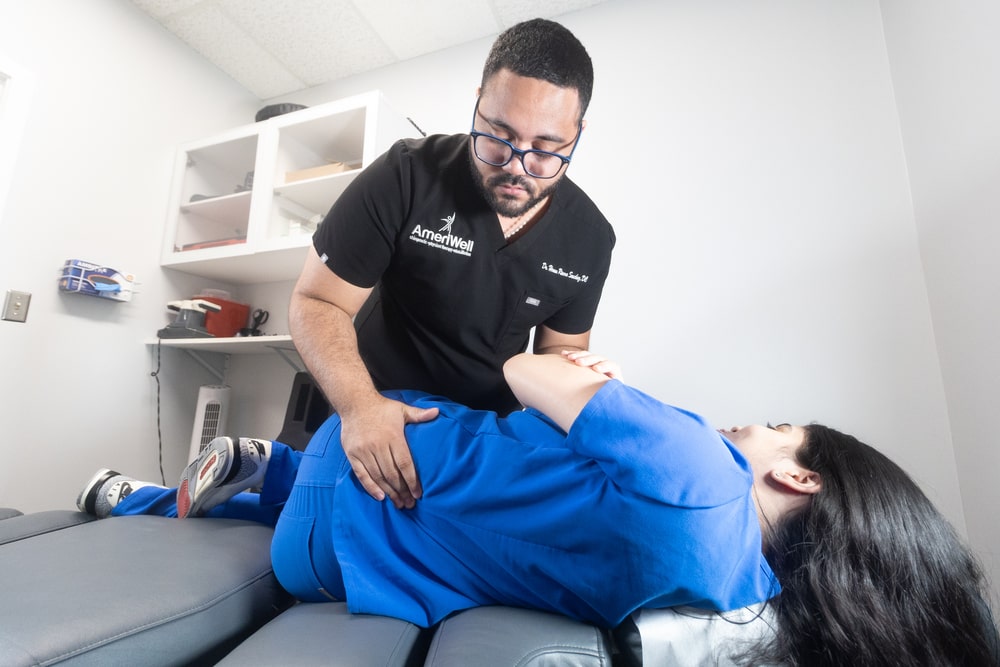
Early chiropractic care, physical therapy, and orthopedic evaluation help restore proper spinal alignment and range of motion. When the body is addressed quickly, recovery tends to be faster and more complete. When care is delayed, the body compensates in ways that create secondary problems, such as tight muscles, joint stiffness, and nerve irritation, that take much longer to resolve.
Waiting to see a doctor also affects any personal injury claim you may file. Insurance companies in Virginia frequently use gaps in medical treatment to argue that injuries were not serious or were caused by something other than the accident. A documented, timely record of care is one of the strongest tools you have when pursuing compensation. A Falls Church car accident doctor can provide that documentation from the start, connecting your diagnosis directly to the collision and building a medical record that supports your case.
Virginia Accident Statistics Worth Knowing
According to the Virginia DMV, tens of thousands of injury-related crashes occur across the state each year. Many of the victims involved in these crashes do not seek medical attention quickly enough, which affects both their recovery and their legal standing.
Choosing the Right Care After a Crash
Not every provider is equipped to handle post-accident care. Emergency rooms are built for acute trauma, not the musculoskeletal injuries that show up days later. A Falls Church car accident doctor is trained specifically to identify and treat the injuries that follow a collision, including the ones that are easy to miss on a standard exam.
AmeriWell Clinics offers integrated care that combines chiropractic treatment, physical therapy, and medical evaluation under one roof. That means faster coordination, more thorough documentation, and a recovery plan built around your specific injuries rather than a one-size-fits-all approach.
Take the Next Step
If you were recently in a car accident in Virginia, do not let time work against you. The sooner you get evaluated, the better your chances of a full recovery and a well-documented case. Reach out to our team today to schedule your post-accident evaluation and get on the right path forward.
The images and videos in this post are property of AmeriWell Clinics. The article text is shared for educational purposes and may include external sources not authored by AmeriWell Clinics.