
Living with arthritis means dealing with joint pain, stiffness, and reduced mobility that can interfere with everyday activities. I get it. Medication helps, but physical therapy has become one of the most effective ways to actually manage what you’re feeling day to day. When you understand how therapeutic exercise works, you’re better equipped to make decisions about your own care.
How Physical Therapy Helps Arthritis
A trained therapist will evaluate your specific condition and identify where the problems are. Then they build a plan around you specifically. Not some generic approach. The goal isn’t just about relieving pain. You’re working to improve how your joints function, build strength around them, and maintain your independence. Because that’s what matters most, right?
Therapeutic exercise increases blood flow to affected joints. This reduces inflammation over time. Movement also stimulates the production of synovial fluid, which is your body’s natural joint lubricant. Think of it like oil for a rusty hinge. This fluid cushions cartilage and makes movement smoother and way less painful.
What To Expect During Treatment
Your first session involves a thorough assessment. The therapist will ask about your pain patterns. When does it hurt most? What makes it worse? What treatments have you tried before? They’ll test your range of motion, check your strength, and balance.
All of this shapes how they approach your treatment.
Laurel Physical Therapy sessions often include several components:
- Gentle stretching to improve flexibility
- Strengthening movements that support joints without causing more damage
- Low-impact aerobic activities
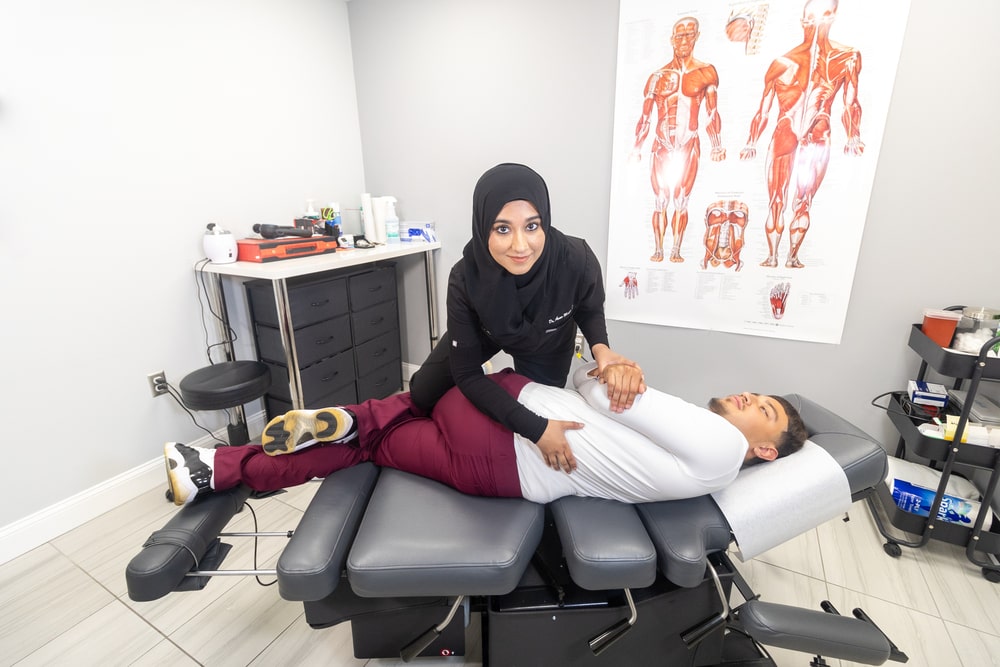
- Manual therapy techniques for reducing pain and stiffness
- Heat or cold therapy to manage inflammation
- Education about protecting your joints in daily life
Your treatment plan will change as you progress. What works in month one might need adjusting as your strength improves or your symptoms shift. That’s completely normal and actually a good sign.
Types Of Exercises For Arthritis
Range of motion exercises keep joints flexible. These movements take your joints through their full span of motion without forcing anything. No sharp pain. Simple activities like arm circles, ankle rotations, or gentle neck stretches all count. Strengthening exercises build the muscles around your joints, which provides better support and stability. This takes pressure off damaged cartilage. You might use resistance bands, light weights, or just your own body weight.
Most people can handle these pretty well. Aquatic therapy offers some unique benefits. Water supports your body weight, making movement easier on joints while still providing natural resistance for strengthening. Many people find they can do more in water than they ever could on land. It’s remarkable, actually.
Managing Pain During Exercise
Some discomfort during exercise is normal. But you need to understand the difference between productive effort and harmful pain. A therapist teaches you to recognize warning signs. Sharp, stabbing pain? Stop immediately. Mild achiness that fades after exercise typically indicates you’re working within safe limits. Laurel Physical Therapy programs adapt to your changing needs. As you build strength and learn self-management techniques, you become more independent. You won’t need constant supervision forever.
The “two-hour rule” helps you gauge whether you’ve overdone it. If your pain is significantly worse two hours after exercise and doesn’t improve with rest, you’ve probably pushed too hard. Adjusting intensity or duration usually solves this problem.
Long Term Benefits
Consistent physical therapy produces measurable improvements. You might notice increased stamina, better sleep, and improved mood alongside the physical gains. Research from the Arthritis Foundation shows that regular therapeutic exercise can reduce arthritis pain by up to 40 percent. Prevention matters too, physical therapy doesn’t just treat your current symptoms. It teaches you movement patterns that protect your joints from further damage. These skills stay with you long after formal treatment ends, which means you’re investing in your future mobility.
At AmeriWell Clinics, we recognize that arthritis affects everyone differently. Your age matters. So does your arthritis type, your overall health, and what you’re hoping to accomplish. All of these influence your treatment plan. Some people benefit from twice-weekly sessions for several months. Others maintain their progress with monthly check-ins after an initial intensive period. If arthritis is limiting your activities or causing persistent pain, physical therapy offers a genuine path forward. The combination of professional guidance and your own effort creates real, lasting improvements in joint function and quality of life. Reach out to discuss whether physical therapy fits into your arthritis management plan.
The images and videos in this post are property of AmeriWell Clinics. The article text is shared for educational purposes and may include external sources not authored by AmeriWell Clinics.